
BOOKS
Heinz Rasch and Bodo Rasch / E. Marzona (red.)
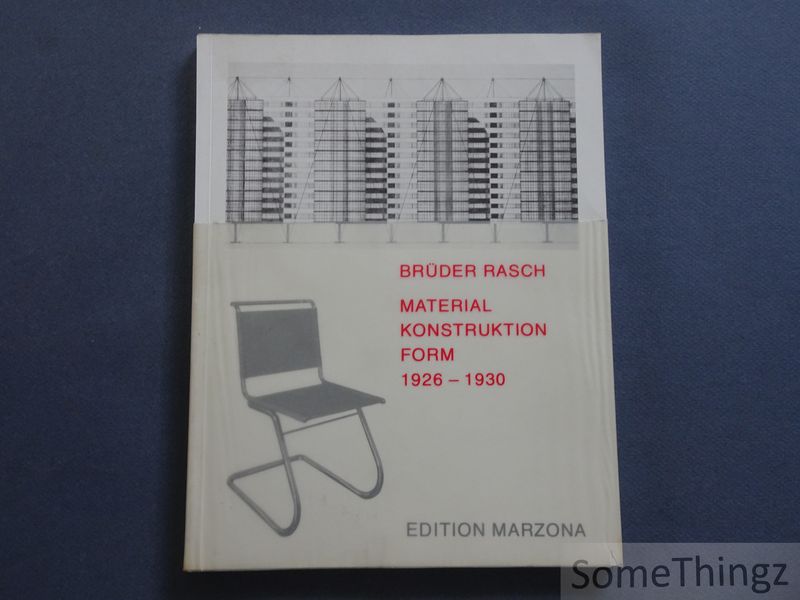
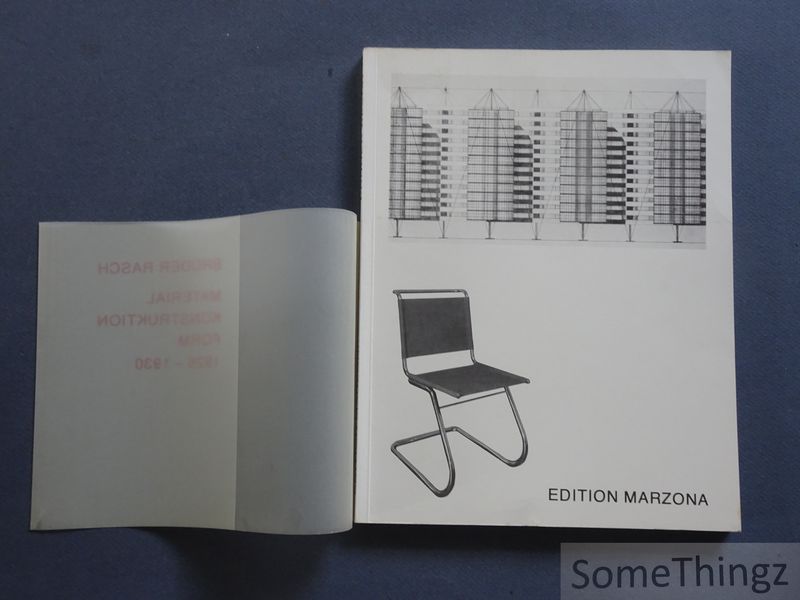
Brüder Rasch. Material, Konstruktion, Form 1926-1930. [German-English text.]
Germany, Edition Marzona, 1981.

€ 35.00
Softcover (with orig. dustjacket), 135pp., 21.5x7cm., richly illustr. in b/w., in very good condition. ISBN: 3921420176.
Itemnummer 21918 
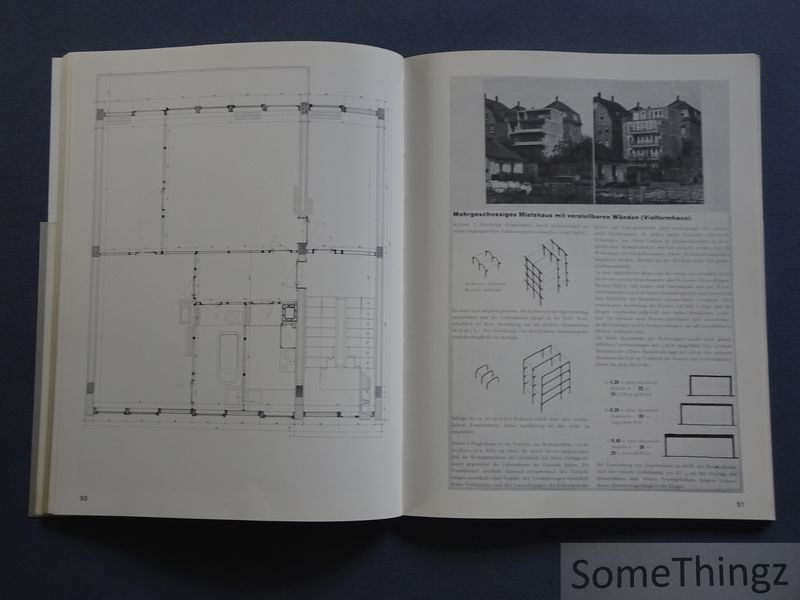
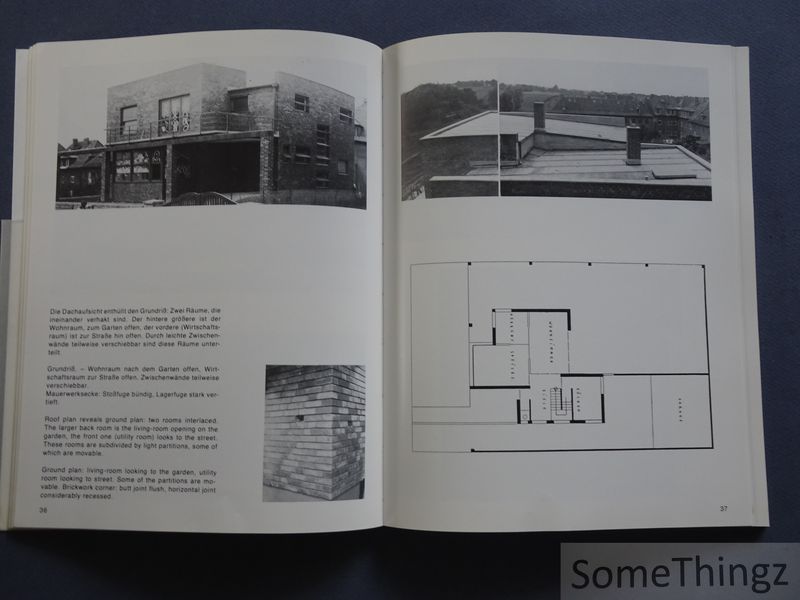
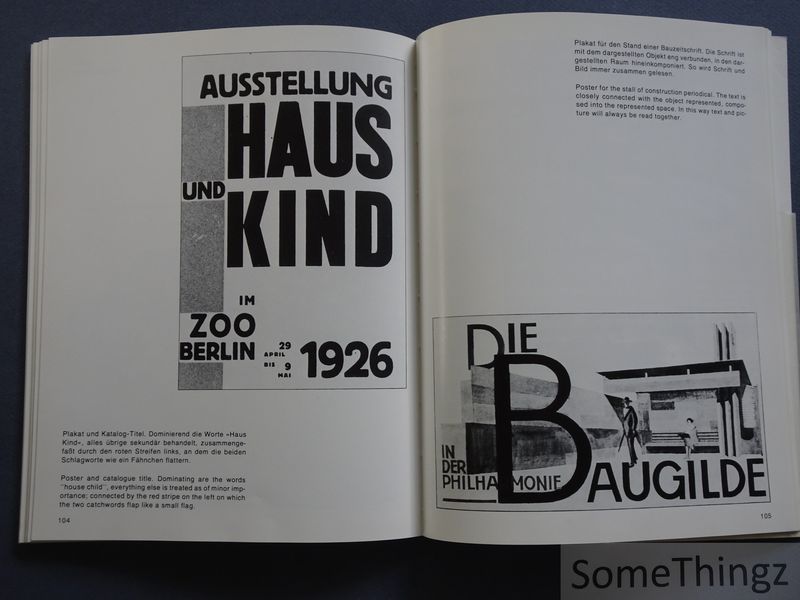
Brüder Rasch. Material, Konstruktion, Form 1926-1930 presents the experimental work of the brothers Heinz and Bodo Rasch during one of the most productive phases of their career. Architecture, furniture, interior design, exhibition design and graphic work are considered together, reflecting their conviction that material, construction and form should be conceived as an integrated design problem. The book documents their radical experiments within the context of German modernism and the Neue Bauen movement. This richly illustrated monograph is an important documentation of the Rasch brothers' contribution to the development of modern architecture and design in Germany between 1926 and 1930. Their work is characterized by a systematic investigation of construction, materials and industrial production, with projects ranging from architecture and suspended structures to furniture, interiors and graphic design. Particularly interesting are their experimental approaches to lightweight construction, steel structures, furniture construction and flexible architectural concepts. Their furniture experiments, including their pioneering work on chairs and seating, are placed alongside architectural projects and publications such as Wie Bauen? and Der Stuhl. The book also reveals the Rasch brothers' close engagement with the international avant-garde and with contemporary developments in Stuttgart. With its extensive visual documentation, biographies and bibliography, this bilingual edition is a valuable reference for collectors and researchers interested in early modern architecture, German design, furniture history and the experimental design culture of the Weimar period. Heinz Rasch (1902-1996) studied architecture in Hannover and Stuttgart and worked with his brother Bodo from 1926 to 1930 in a Stuttgart office devoted to architecture, furniture and advertising. He was also active in exhibition design and architectural publishing. Bodo Rasch (1903-1995), who had studied agriculture and worked as a carpenter, brought practical knowledge of materials and construction to their collaboration. Together they produced influential publications and experimental designs that explored the possibilities of modern construction and industrial design. Their work forms an important part of the German avant-garde of the late 1920s.