
BOOKS
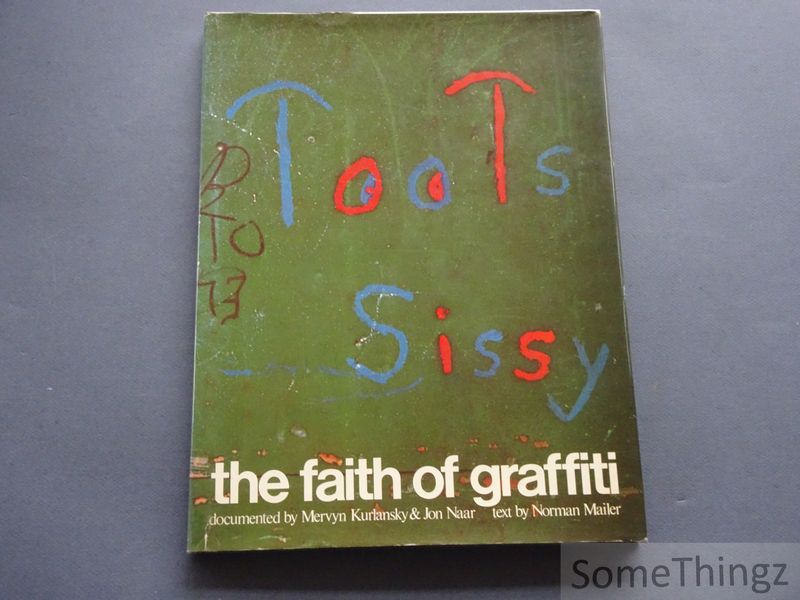
Mailer, Norman (text), Mervyn Kurlansky and Jon Naar.
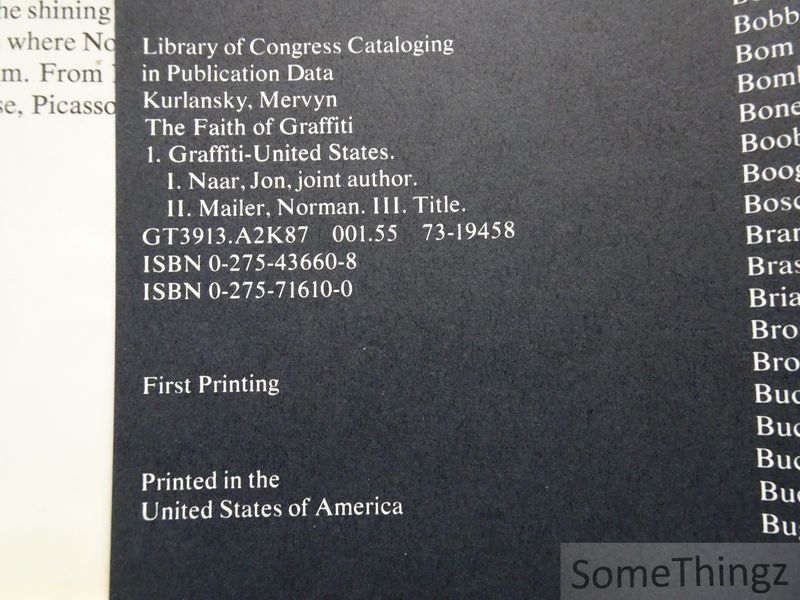
The Faith of Graffiti.
New York / Washington, Alskog Book / Praeger Publishers, 1973. 1st edition.
Sold
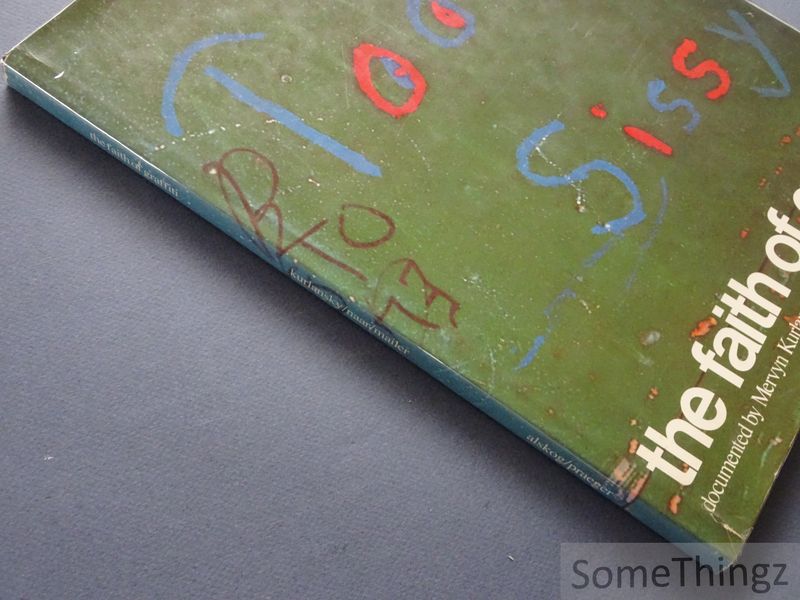
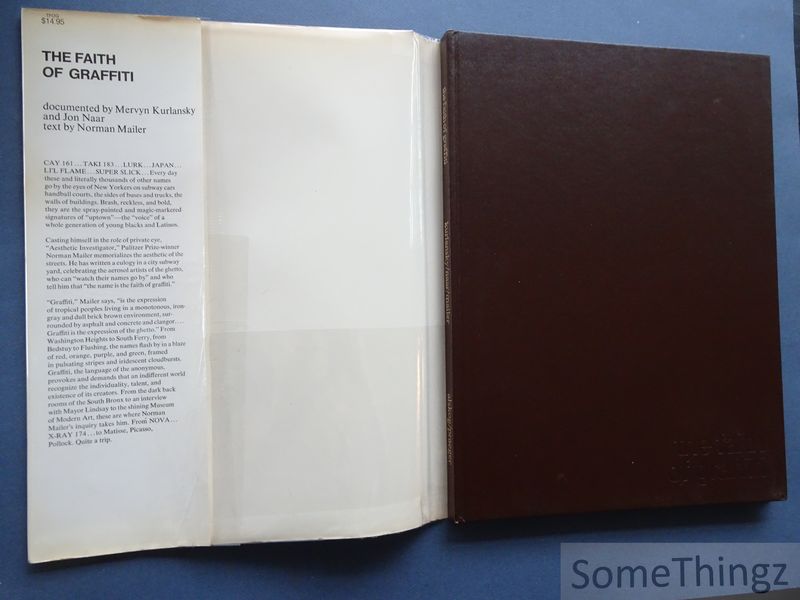
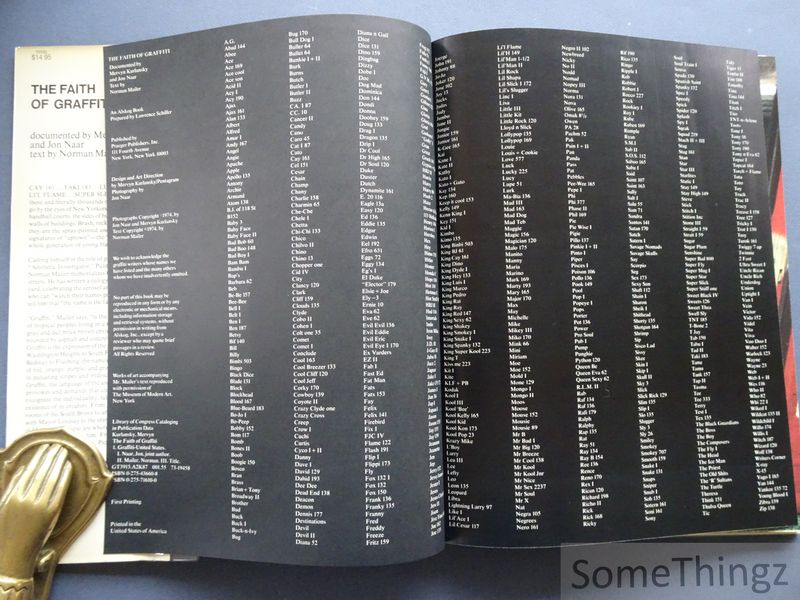
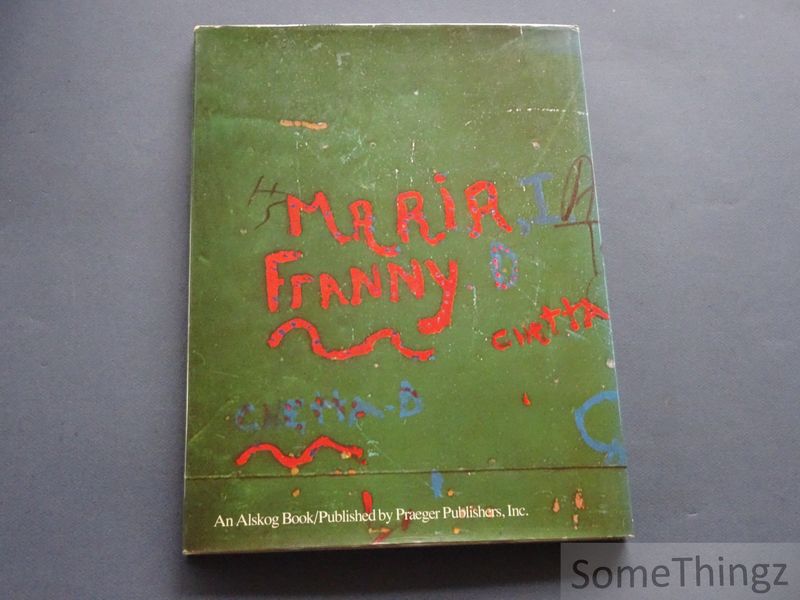
Bound, skivertex binding with original dustjacket (protected with removable cellophane),96 non numbered pages, 27x35.5cm., richly illustr. in col., in very good condition (dustjacket with a few small tears, spine of the dj discolorated, binding and interior very good). ISBN: 0275436608.
Itemnummer 20191 
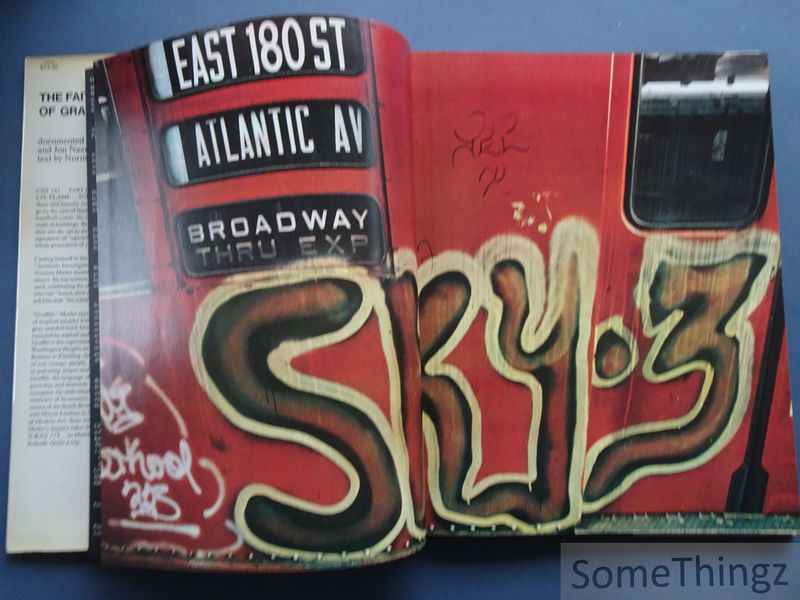
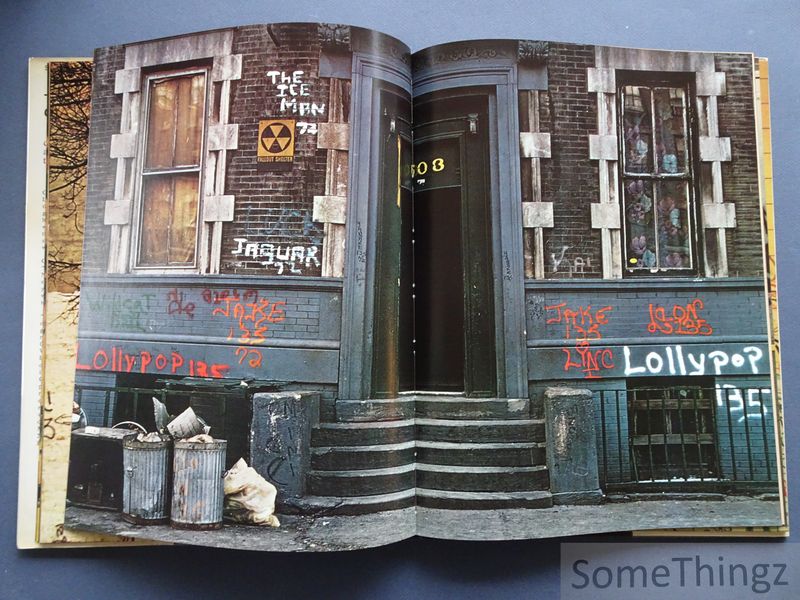
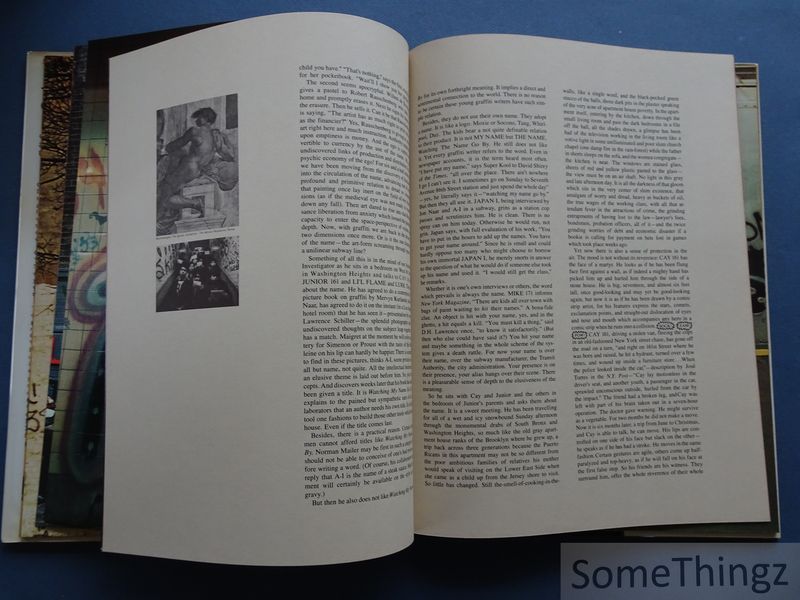
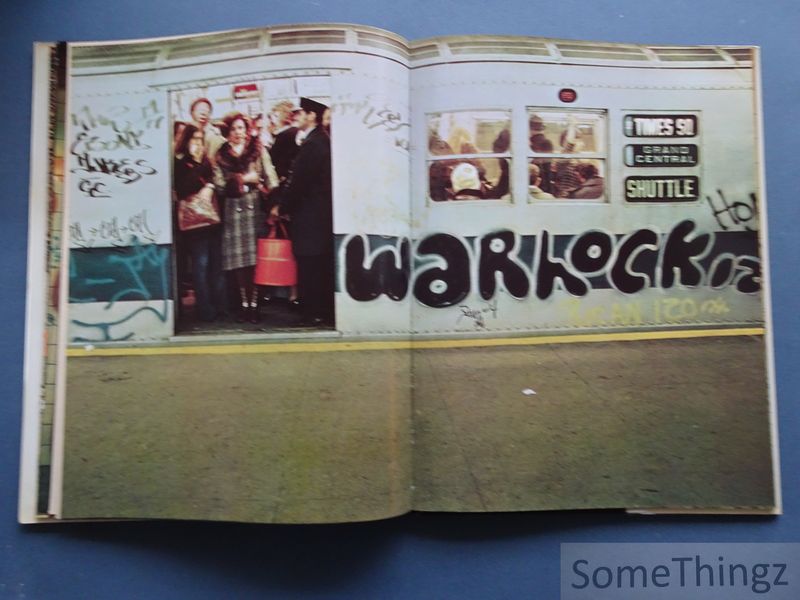
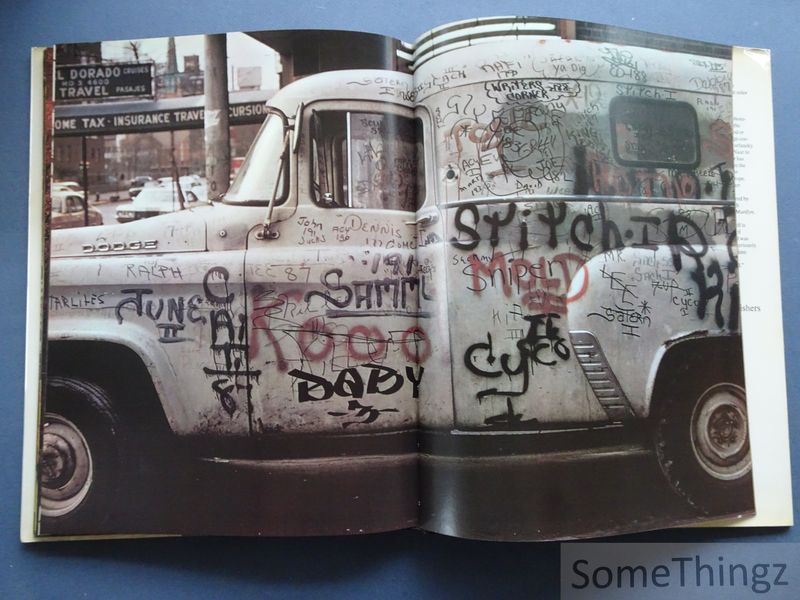
The Faith of Graffiti presents a study of the emergence of large scale name writing and visual markings across the subway system and urban surfaces of New York during the early 1970s. Combining an essay by Norman Mailer with photographic documentation by Jon Naar and design work by Mervyn Kurlansky, the book interprets these visual inscriptions as a new form of expression within the metropolitan environment. The publication approaches the phenomenon as a cultural signal connected to identity, presence and communication in the modern city and proposes that these markings represent an evolving visual language rooted in urban experience. The publication combines an analytical essay with an extensive photographic sequence documenting inscriptions and graphic forms appearing on subway trains and city infrastructure in New York. The photographs record moving urban surfaces covered with names and stylised lettering while the text explores the social and cultural implications of this visual activity within the metropolitan landscape. The work situates these markings within youth culture, public visibility and symbolic occupation of the urban environment and discusses how they interact with architecture, mobility and communication in the modern city. Through the dialogue between image and text the book functions both as documentary evidence and as cultural interpretation of a developing visual practice. Norman Mailer was an American novelist and essayist known for combining journalism, cultural analysis and literary experimentation in his work. Jon Naar was a photographer who documented urban visual culture and created one of the earliest photographic records of name writing on subway trains and city surfaces in New York. Mervyn Kurlansky contributed to the visual conception and design of the publication, shaping the presentation of the photographic material within the book. Together their collaboration produced an influential early document of a new urban visual phenomenon.