
BOOKS
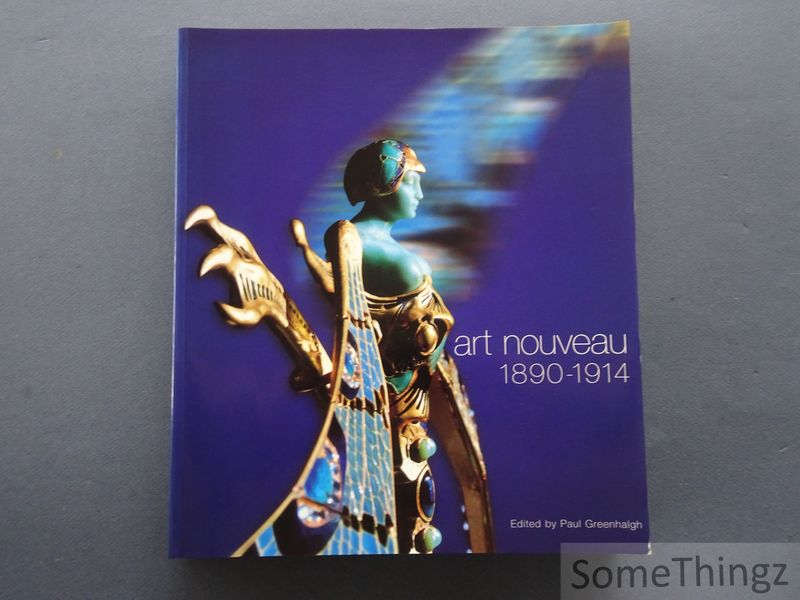
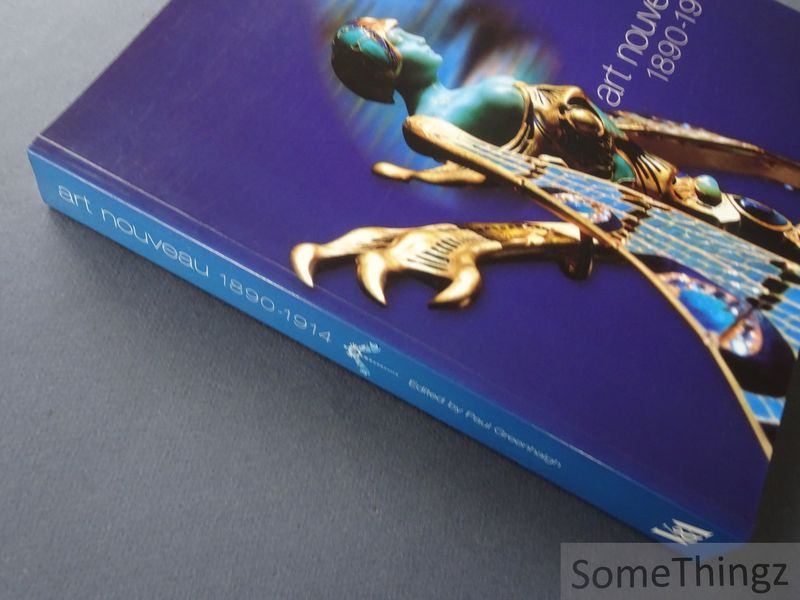
Greenhalgh, Paul (editor)
Art Nouveau 1890-1914.
London, V & A Publications, 2000.
Sold
Softcover, 464pp., 25.5x29cm., richly illustr. in col. and b/w., in good condition (covers with light traces of use, spine decolorated, interior fine). ISBN: 9781851772971.
Itemnummer 19785 
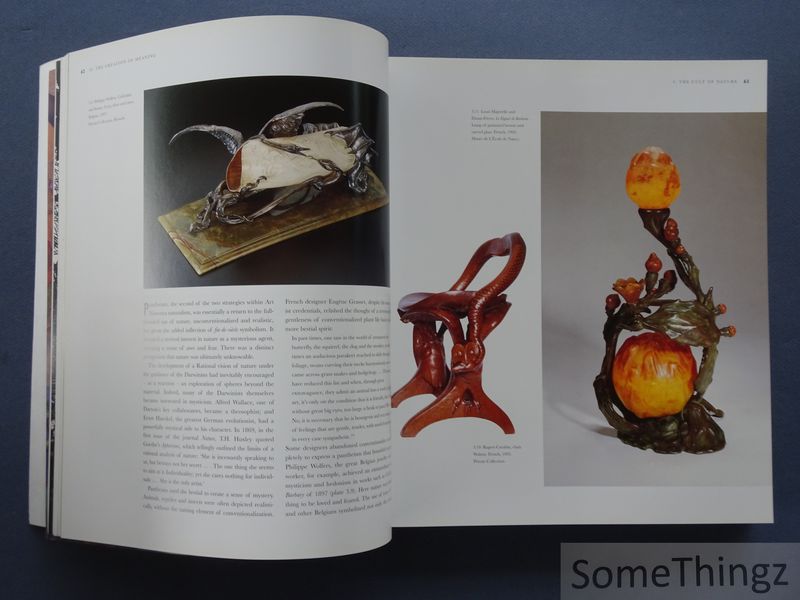
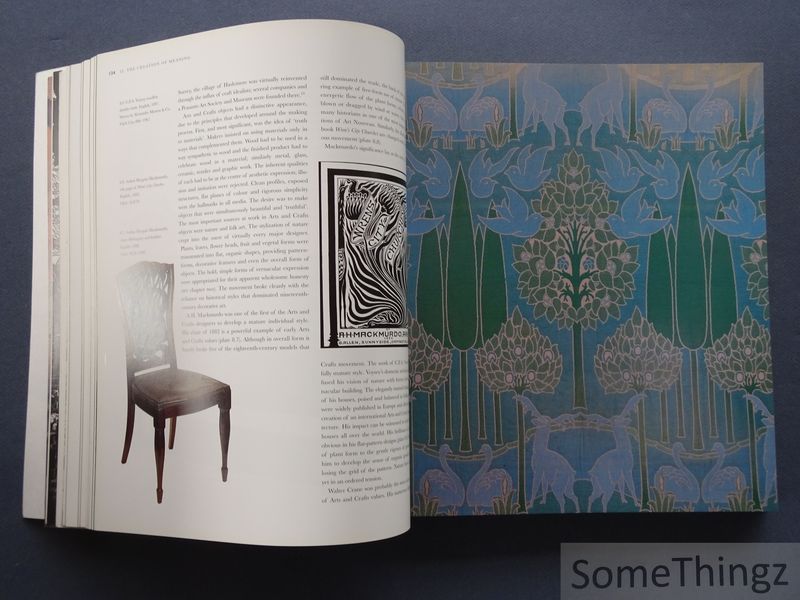
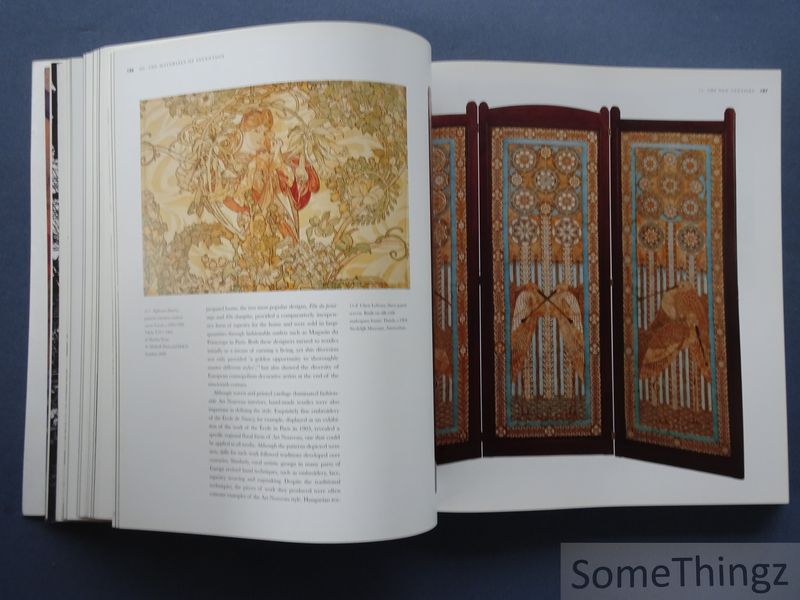
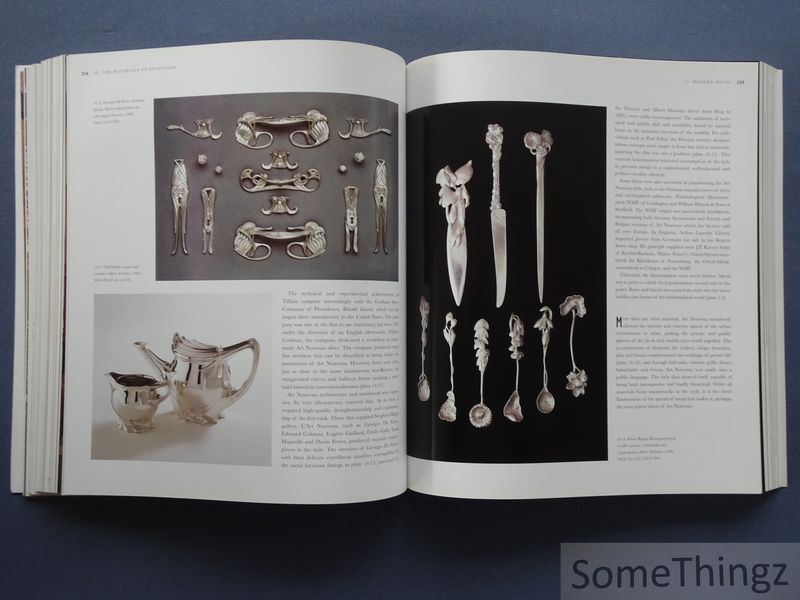
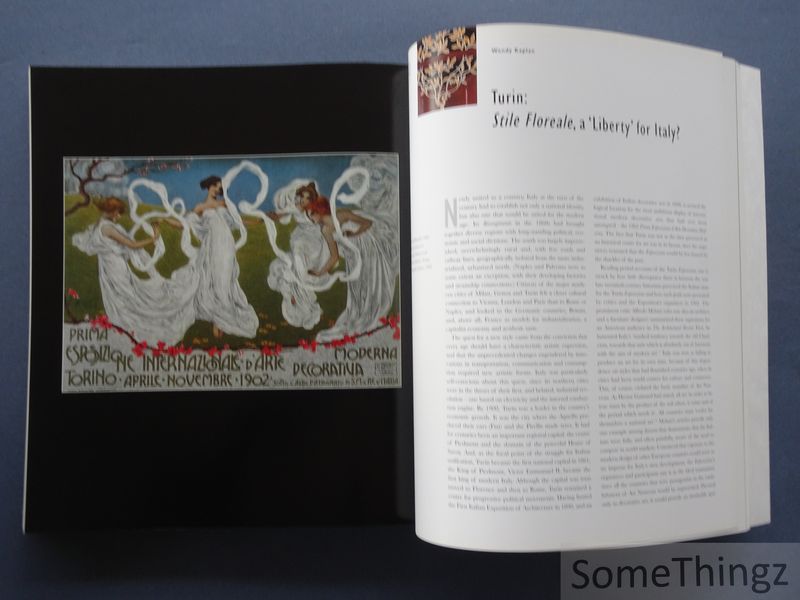
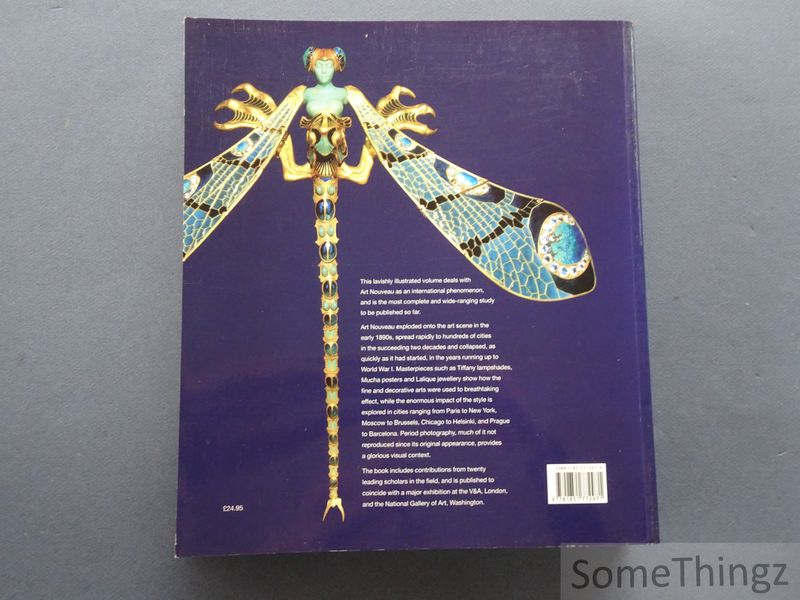
Divided into key sections covering sources, masterpieces in different media and the urban centres where Art Nouveau flourished, the lavishly illustrated text explores the phenomenon of Art Nouveau from its inception to its collapse. Outstanding examples of jewellery, ceramics, furniture, glass, metalwork, sculpture, prints, paintings and textiles illustrate the enormous impact of the style in cities across Europe and America from Brussels, Glasgow and Prague to Chicago and New York. Leading artists and designers, including Aburey Beardsley, Antoni Gaudi, Victor Horta, Rene Lalique, Charles Rennie Mackintosh and Louis Comfort Tiffany, are examined, and their works are seen together as glorious components of an extraordinary whole. This beautiful book features some of the earliest examples of Art Nouveau - collected by the V&A just as the style was emerging - and also includes many unusual pieces from other institutions and individuals across the globe. It is both an essential work of reference and a wonderful visual feast. Art Nouveau 1890-1914 presents a definitive and in-depth study of the Art Nouveau movement from an international perspective. The text examines the origins and meaning of the style in its art-historical, literary, social, and cultural context. The book is divided into key sections covering the sources of the movement, masterpieces in different media, and the major urban centres where Art Nouveau flourished across Europe and America. Outstanding examples of jewellery, ceramics, furniture, glass, metalwork, sculpture, prints, paintings, and textiles illustrate the enormous impact of the style in cities from Brussels, Glasgow, and Prague to Chicago and New York. Featured artists and designers include Aubrey Beardsley, Antoni Gaudi, Victor Horta, Rene Lalique, Charles Rennie Mackintosh, and Louis Comfort Tiffany. This book also includes some of the earliest examples of Art Nouveau collected by the Victoria and Albert Museum as the style was emerging, along with many rare pieces from other institutions and private collections, making it both an essential reference and a rich visual feast for readers. In Art Nouveau 1890-1914, editor Paul Greenhalgh and contributing scholars survey the international development of Art Nouveau, from its roots in the decorative arts of the late 19th century to its flowering and eventual decline by 1914. The book explores the stylistic evolution of Art Nouveau across multiple artistic disciplines, including jewellery, glass, ceramics, interior design, furniture, prints, painting, and sculpture. It also situates the movement in the cultural and social currents of the time, highlighting how cities such as Paris, Brussels, Glasgow, Prague, New York, and Chicago became centres of innovation and production. The narrative weaves together critical analysis, historical context, and richly illustrated examples to show how Art Nouveau represented a break with academic traditions and classical standards, embracing organic forms, stylised natural motifs, and aesthetic experimentation. Through its comprehensive coverage, the book provides an authoritative account of the movement and its major contributors.