
BOOKS
Angelika Muthesius and Andrea Fürts (red.)
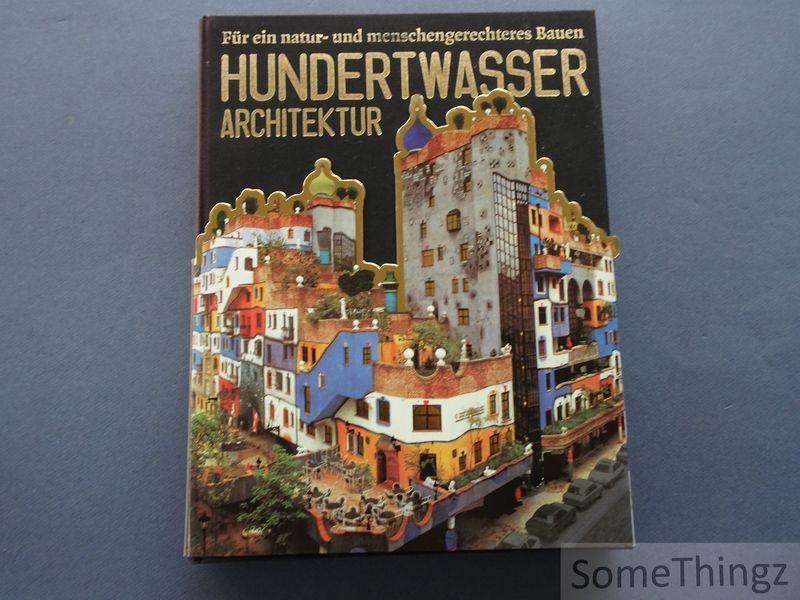
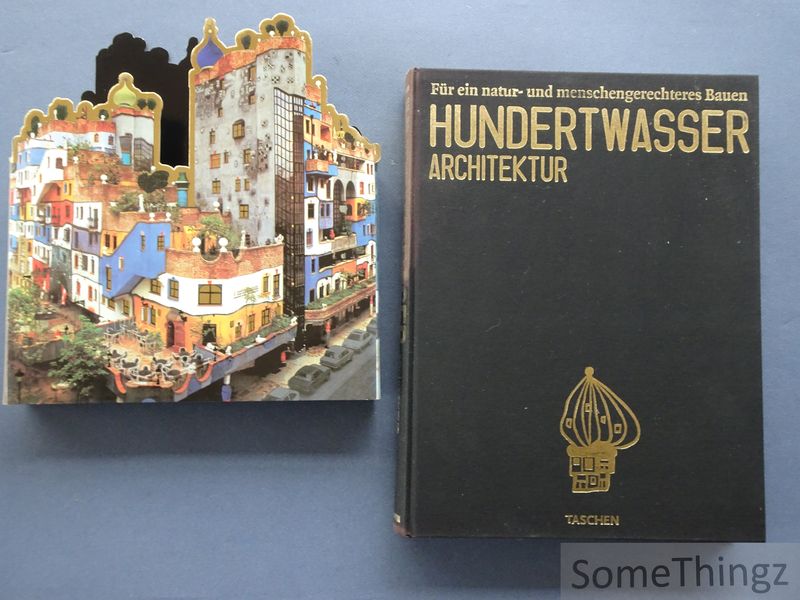
Hundertwasser Architektur: Für ein natur- und menschengerechteres Bauen.
Köln, Taschen Verlag, 1996.

€ 19.50
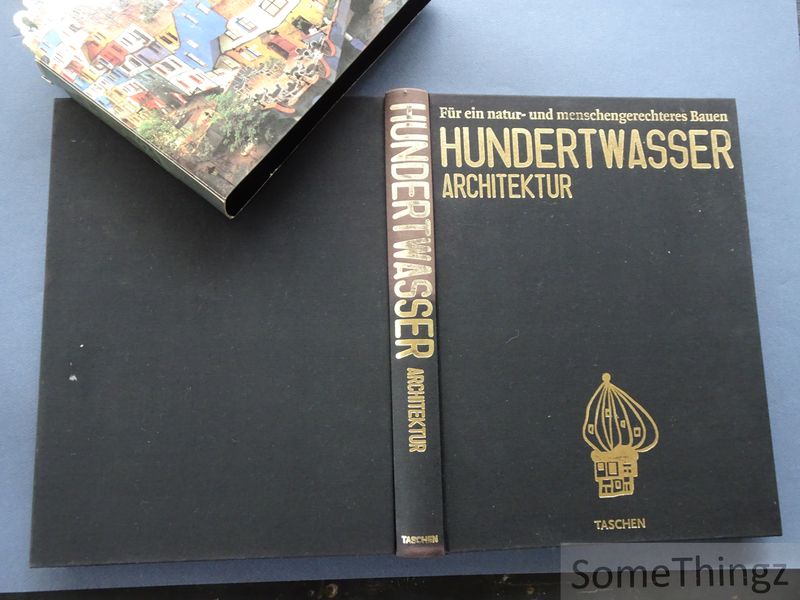
Bound, cloth with orig slide-over cover, 320pp., 25x32.5cm., richly illustr. in col. and b/w., in very good condition. ISBN: 3822885940.
Itemnummer 19777 
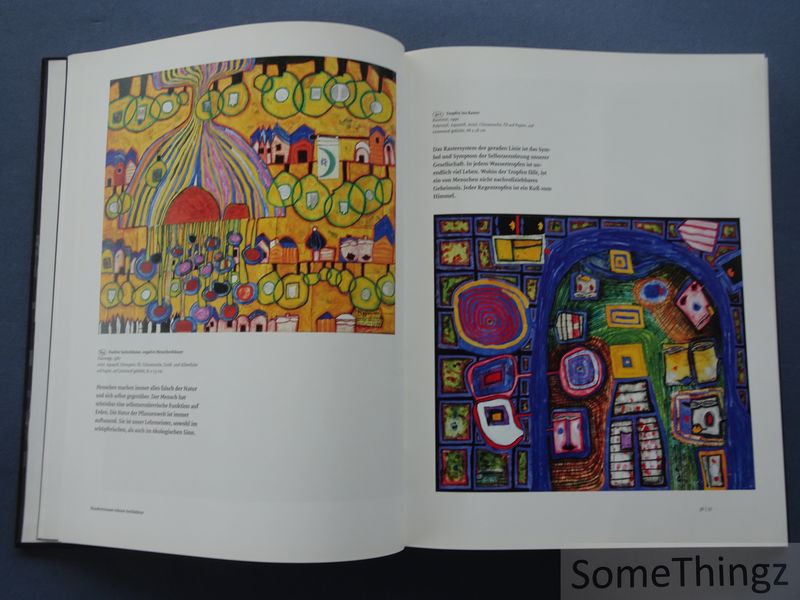
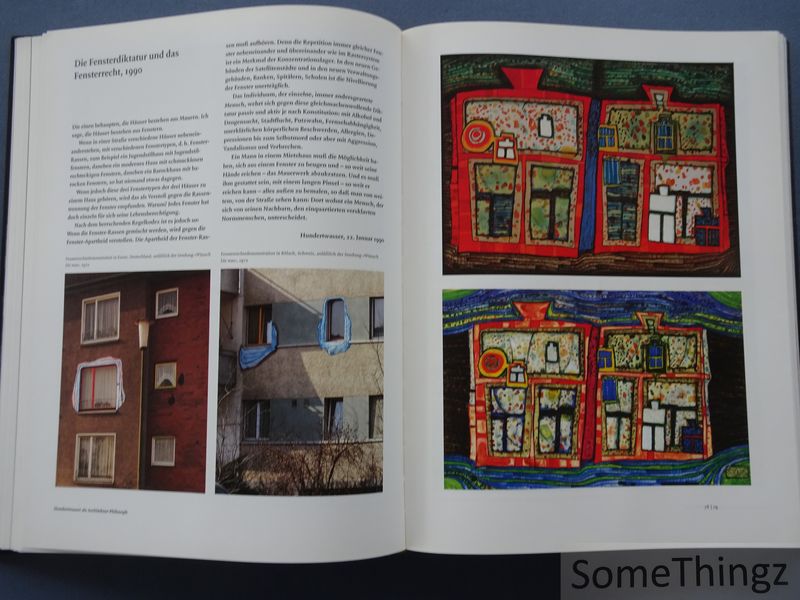
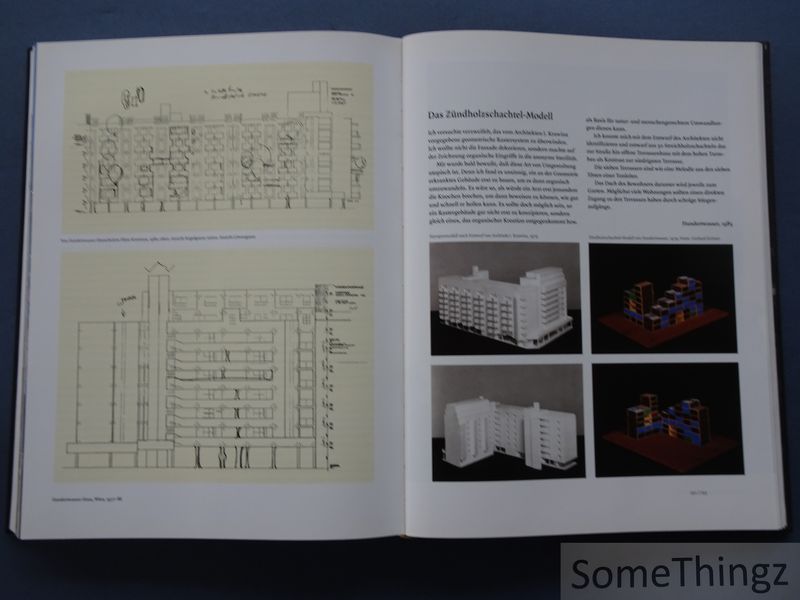
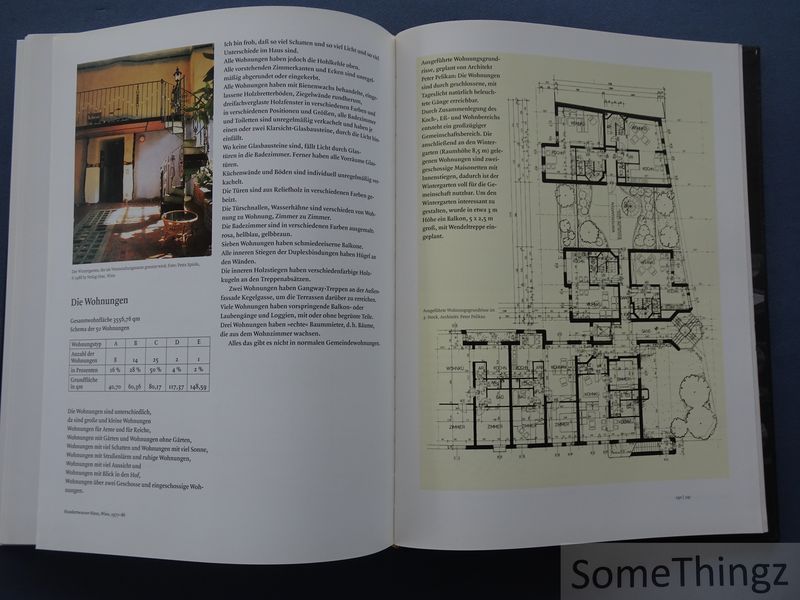
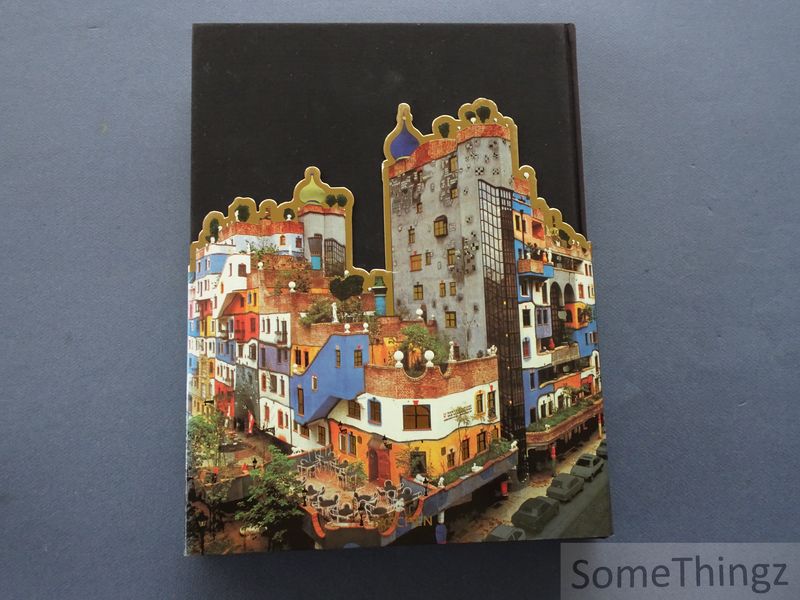
Hundertwasser's maxim is that "a world full of colour is synonymous with paradise". This catalogue raisonne of his architecture examines all his completed projects, tracing them from the first sketches through the models to completion. Hundertwassers architectural works are unmistakable - forested roofs, organic forms, colourful facades, uneven floors, irregularly placed windows and unique towers define his built environment. The publication celebrates his vision of a more natural and human centred architecture and provides a comprehensive overview of the realised buildings and proposals that embody his philosophy. Hundertwasser Architektur: Für ein natur - und menschengerechteres Bauen presents a comprehensive visual and textual overview of Friedensreich Hundertwasser's architectural practice, spanning his early models, sketches, and realised works. This volume brings together rich photographic documentation, plans and studies that demonstrate how Hundertwasser rejected sterile functional modernism in favour of an architecture that embraces irregularity, nature, colour and human experience. His buildings exhibit forested roofs, playful forms, vibrant façades, and unconventional spatial organisation that challenge conventional architectural norms. The book situates his work within the broader context of 20th century art and architecture, showing how his ideas developed from manifesto and essay to built reality, and how they continue to influence conversations about organic architecture and ecological design. Friedensreich Hundertwasser (1928 - 2000) was an Austrian artist and architect renowned for his distinctive approach to architecture, art and ecological thinking. Rejecting straight lines and mechanised building practices, Hundertwasser advocated an organic and humanistic vision of architecture that integrates nature and creative expression. His architectural philosophy emphasised irregular forms, vibrant colours, tree integration, and individual rights to personal expression in the built environment. Hundertwasser began his career as a painter and gradually extended his ideas into architectural theory, manifestos, essays and ultimately realised buildings. His work continues to inspire discussions about sustainable, human centred and expressive architecture.